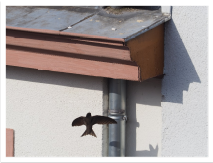
Nisthilfen für Mauersegler
Mauersegler sind Höhlenbrüter. Sie sind etwa von Ende April bis August, in Einzelfällen bis September in Deutschland. Ihre Nistplätze sind ganzjährig gesetzlich geschützt. Mauersegler sind Kulturfolger, das heißt, sie nisten in menschlichen Ansiedlungen, oft unbemerkt. „Natürlicherweise“ brüten sie in Gebäudenischen, was bedeutet, dass ihre natürlichen Brutplätze vorwiegend an hohen, alten Gebäuden und Industrieanlagen liegen, da neue Gebäude und solche, die energetisch saniert wurden, zu wenige natürliche Öffnungen haben. Sie brüten in dunklen Hohlräumen im Dachgesims, unter oder hinter Dachrinnen, in Mauerlöchern, unter Fenstersimsen, in undichten Rolladenkästen (mit und ohne Rolladenbetrieb), aber auch hinter Fassaden oder Dachverkleidungen beispielsweise bei Flachdächern. Ihre Einfluglöcher können sehr klein sein, sie sind nicht immer von unten einsehbar. Man erkennt sie oft nur, wenn man in den Abendstunden An- und Einflüge beobachtet. Die natürlichen Brutmöglichkeiten schwinden mehr und mehr: Sanierungsmaßnahmen, Dachneueindeckungen, sogenannte Taubenabwehrpaste, Taubenspikes und fehlende Rechtskenntnis sowie ein fehlendes Problembewusstsein machen es Gebäudebrütern wie Mauerseglern immer schwerer, einen Nistplatz zu finden, Eier zu legen und ihre Jungen auszubrüten und aufzuziehen. Mauersegler werden alt – dass sie im Sommer nicht mehr da sind, fällt erst auf, wenn die Segler sterben und keine Jungen nachgewachsen sind.
Mauersegler sind Vögel, die sich in der Gruppe wohl fühlen. Sie würden gerne in Schwärmen fliegen und in Kolonien brüten. Es ist für sie kein Problem und eher ein Vorzug, wenn mehrere Nistplätze in räumlicher Nähe zu finden sind. Generell gilt: Mauersegler lassen sich nur da ansiedeln, wo bereits Mauersegler fliegen. Schließlich müssen sie einen Brutplatz auch entdecken können.
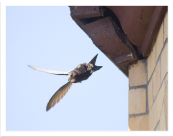
Sie bevorzugen dunkle Höhleneingänge (kein Mauersegler und sei er auch noch so klein, kann einer „Höhle“ widerstehen), bevorzugen Neststandorte mit dunklen Hohlräumen und brauchen die Möglichkeit eines direkten Anflugs. Mauersegler fliegen nur da an, wo es Einflugmöglichkeiten von unten oder von vorn gibt.
Mauersegler fliegen direkt von unten den Nistplatzeingang an, dazu sollte eine Einflughöhe von mindestens 5 Metern vorhanden sein.
Wenn Sie Nistkästen neu installieren wollen, sollten Sie folgendes beachten.
Grundsätzlich: Um Verschmutzungen der Fassade zu vermeiden oder gering zu halten, sollten die Einfluglöcher vorne und nicht unter dem Nistkasten sein. Die Mauersegler sollten mindestens 5 m Abstand nach unten haben, um einfliegen zu können. Es sollten Mauersegler in Ihrer Wohngegend beobachtet werden können. Der ideale Nistplatz befindet sich im Osten, Nordosten oder Norden, damit die Sonneneinstrahlung im Sommer nicht zu hoch ist und die Temperaturen im Kasten erträglich bleiben. Es gibt im Handel viele verschiedene Modelle, die abgestimmt auf die verschiedenen Möglichkeiten am Haus sind. Sie können auch einen Kasten selbst bauen oder einen Nistplatz in Neu- oder Umbauten gezielt anlegen.
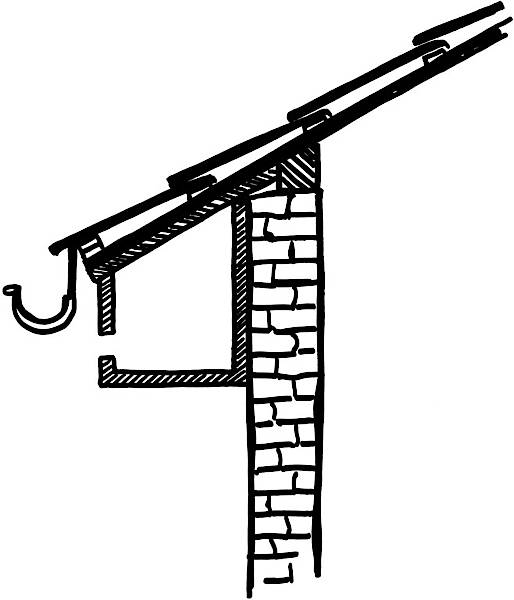
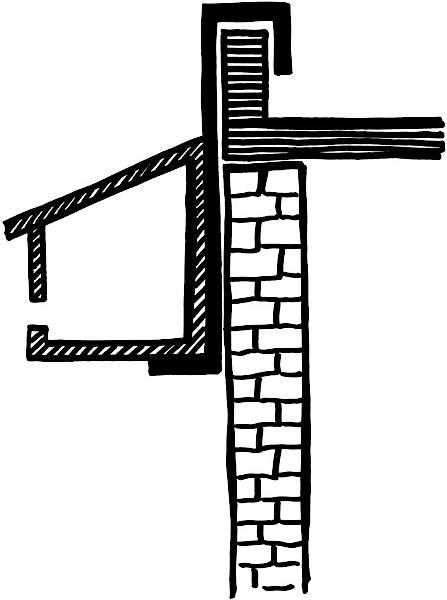
Die künstlichen Nistplätze sollten nicht zu klein sein!
Bedenken Sie dabei, dass Mauersegler eine Flügelspannweite von ca. 40 cm haben. Sie können 1 bis 3 Küken großziehen. Junge Mauersegler schauen aus dem Nistkasten heraus und die Welt unter sich an. Außerdem machen sie „Situps“: Sie pressen sich mit Hilfe der Flügel hoch und trainieren so ihre Brustmuskulatur. Das bedeutet, sie brauchen einen gewissen Platz. Dass Mauersegler heute auch in sehr kleinen Nistgelegenheiten brüten, hängt auch damit zusammen, dass wir ihnen mehr und mehr den Platz nehmen. Kleine Nistplätze speichern mehr Wärme, junge Mauersegler springen dann vermutlich bei großer Hitze eher hinaus. Wählen Sie also geräumige Nisthilfen.
Mauersegler brüten im hinteren Teil der Höhlenecke, bei Kästen also im diagonal gegenüberliegenden Eck. Sie bevorzugen schlichte Nester, eine Nistmulde von ca. 1 cm Tiefe und 10 cm Durchmesser hilft, einen Anfang zu machen. Sie tragen kaum Nistmaterial in den Brutplatz ein, sondern kleben das kleine Nest mit in der Luft gesammelten Materialien. Bitte stellen Sie keine künstlichen Holznester in die Nistkästen.
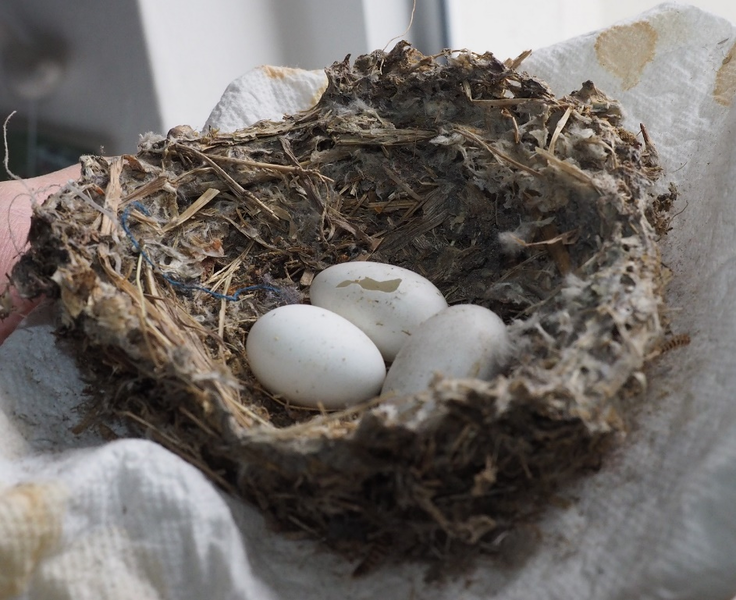
Sorgen Sie dafür, dass Spatzen und Stare (ebenfalls besonders geschützte Vogelarten und Gebäudebrüter), die Kästen nicht vorbelegen können; sie bauen andere Nester mit anderen Materialien und Mauersegler können an den so eingebrachten Nestmaterialien hängenbleiben und sich strangulieren. Eine Starensperre ist hier nützlich. Falls Sie die Nistplätze erreichen können, ist es sinnvoll, die Nistplätze im Herbst nach Abflug der Tiere zu verschließen und erst Ende April wieder zu öffnen. Wir empfehen, die Nisthilfen so zu installieren, dass sie von Ihnen erreicht werden können.
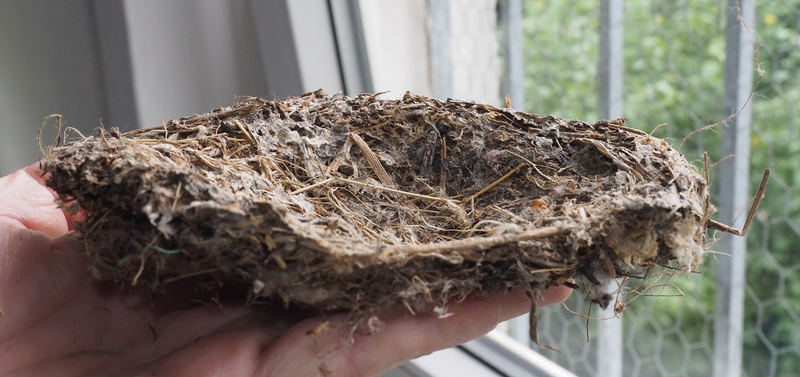
Es ist sinnvoll, nach dem Abflug der Mauersegler die Nistkästen zu öffnen und zu kontrollieren. Entfernen Sie alles Material, das nicht von Mauerseglern zum Nestbau verwendet wird und den Kasten anfüllt. Entfernen Sie vor allem Plastik, Schnüre, Eier, tote Vögel. Es sollten allerdings zur Reingung des Nistkastens keine Gifte gegen Parasiten verwendet werden. Ein Naturnest eines Mauerseglers ist spartanisch. Sie sammeln ausschließlich Material, dass ihnen in der Lust zugetragen wird und verkleben dies mit Speichel zu kleinen, harten Nestern, die jedes Jahr genutzt werden.
So sehen Naturnester von Mauerseglern aus:
Krähenvögel spezialisieren sich zunehmend auf an- und abfliegende Mauersegler. Sorgen Sie dafür, dass Krähenvögel wie z. B. Elstern nicht direkt auf dem Mauerseglerkasten landen können, etwa durch ein abgeschrägtes Dach.
Frühere Empfehlungen, dass Mauerseglernisthilfen nicht gereinigt werden sollen oder müssen, können so nicht aufrecht erhalten werden. Jedes Jahr versorgen wir strangulierte Mauersegler; jedes Jahr gibt es Berichte, wonach Nistkästen so verstopft sind, dass Mauersegler ihre Eier nur noch im Bereich des Einflugloches legen können, jedes Jahr gibt es Berichte von Vögeln, die tot in Mauerseglernistkästen gefunden werden, aus denen sie sich aufgrund des eingebrachten Materials nicht mehr befreien konnten. Die Nistplatznot der Gebäudebrüter ist groß – sie konkurrieren nun um jeden Platz, auch um ungeeignete.
Wir haben zusammen mit einer Holzwerkstatt einen Nistkasten für Mauersegler entwickelt; Einzelheiten finden sie hier: Nistkästen der JVA Heimsheim
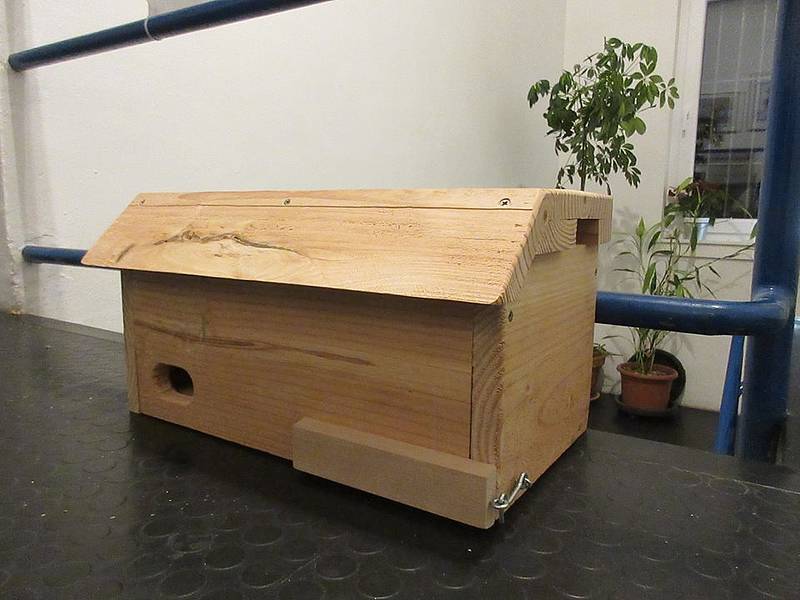
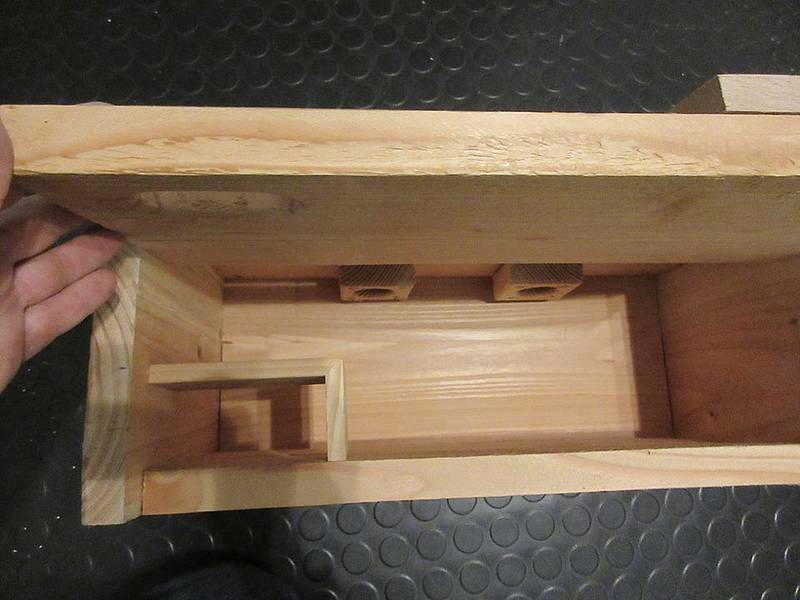
Bauanleitungen finden Sie im Internet.
Weitere Nistkästen können Sie auch bei der Holzwerkstatt Sassen beziehen.
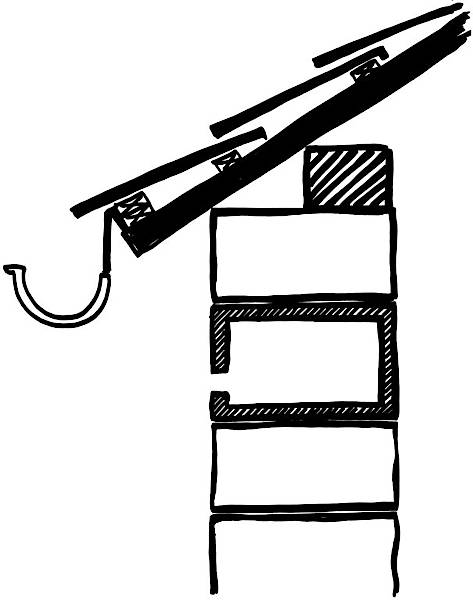
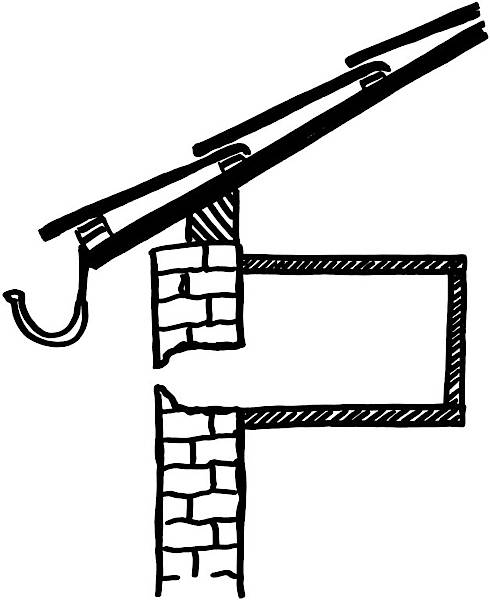
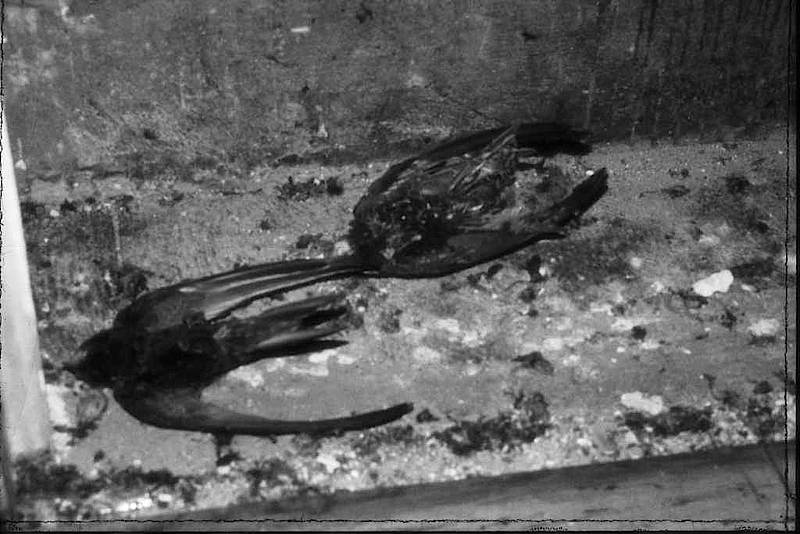
Aber: Bauen Sie niemals einfach Lüftungsziegel ein, schaffen Sie niemals einfach eine Öffnung zum Einfliegen, ohne dahinter einen Nistkasten zu befestigen! Sie bauen damit den Raum hinter dieser Öffnung zu einer Todesfalle um, in die Mauersegler zwar hinein, aber nicht mehr hinausfinden.
Sie können bei Neubauten, Umbauten und Energiesanierungen bei rechtzeitiger Planung auch Nistplätze gezielt so ersetzen, dass sie von außen nur durch das Einflugloch zu sehen sind. Es gibt spezielle Kästen, die unter der Dämmung angebracht werden können, aber es ist zum Beispiel auch möglich, spezielle Hohlblöcke zu verwenden.
Wenn Sie bereits Mauersegler am Haus haben und nun das Dach neu decken lassen wollen, oder eine Fassadensanierung durchführen oder eine Energiesanierung planen, müssen Sie folgendes beachten:
Mauerseglernistplätze sind ganzjährig gesetzlich geschützt. Das bedeutet, auch wenn Sie die Maßnahme zwischen September und April (wenn die Mauersegler nicht in Europa sind) durchführen lassen, brauchen Sie eine Genehmigung (in Hessen: der Unteren Naturschutzbehörde). Während der Brutzeit verbietet sich eine solche Maßnahme von selbst. Eine Mauerseglerbrut ist gesetzlich geschützt. Mauerseglernistplätze dürfen auch nicht mit Bauschaum eingeschäumt werden, mit Drahtkörben verschlossen, durch Gerüste behindert oder durch andere Maßnahmen vernichtet werden. Im Sommer zählt nicht ein abstraktes Datum sondern das tatsächliche Vorhandensein von Mauerseglern. Nicht alle Mauersegler sind Ende Juli oder Mitte August bereits mit der Aufzucht der Jungen fertig!
Wenn Sie Ersatzquartiere schaffen wollen oder müssen, ist folgendes zu beachten: Mauersegler sind extrem ortstreu und sehr konservativ. Sie benutzen einen Brutplatz ein Leben lang und können sich bei Verlust nur schwer umstellen. Brutpaare fliegen in jedem Jahr genau ihren Einflug an. Einen Kasten, der drei Meter davon entfernt ist, werden sie im Zweifel weder sehen noch beachten. Leider bedeutet dies auch, dass sie im Zweifel zu spät merken, dass der althergebrachte Einflug verschlossen ist und sich beim Anflug verletzen. Mauersegler fliegen sehr schnell, auch bei Anflügen an den Nistplatz. Entsprechend schwer sind die Anflugverletzungen.
Eine Einflugmöglichkeit an der Stelle, an der auch früher der Einflug war, ist ideal. Ansonsten bevorzugen Sie Ecken und Nischen, die Mauersegler gerne annehmen: Unter dem Dachüberstand; am Übergang von Regenrinnen zum Regenwasserabfluss, …
Bei der Wahl des Nistkastens orientieren Sie sich bitte an den Gegebenheiten vor Ort. Ansonsten gilt das oben Gesagte.