Der Mauersegler als tierärztlicher Patient
Der Mauersegler Apus apus (Linnaeus 1758) zählt in den Sommermonaten als Fundvogel zu den häufigen Patienten tierärztlicher Kleintierpraxen. Dies betrifft vor allem urbane Siedlungen, die seine bevorzugten Brutplätze stellen.
Altvögel
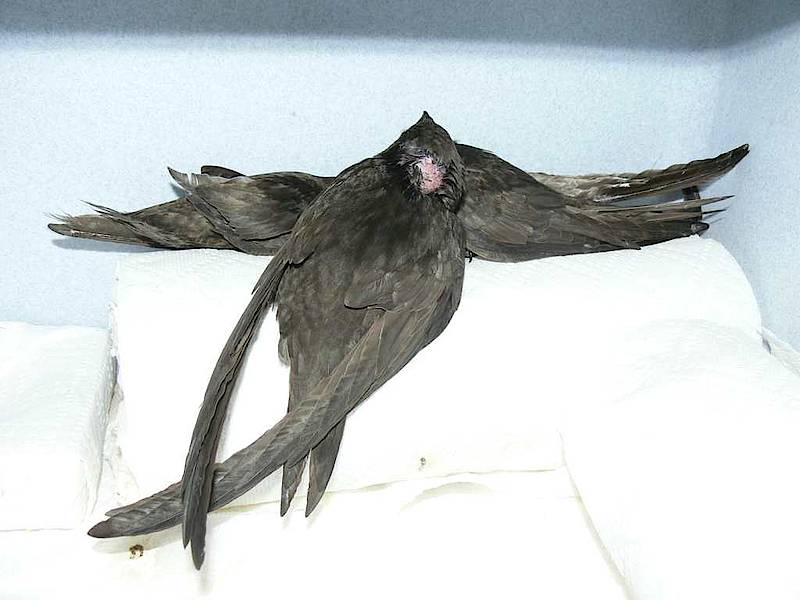
Anfang Mai, wenn sie aus ihren afrikanischen Winterquartieren in ihre Brutgebiete nach Mitteleuropa zurückkehren, geraten immer wieder adulte Mauersegler in Menschenhand und werden von Tierfreunden dem Tierarzt oder Vogelkundler vorgestellt. Diese Spezies ist unter allen Vogelarten wohl am extremsten an den Luftraum angepasst und lässt sich niemals freiwillig auf dem Erdboden nieder. Adulte Mauersegler, die von Menschen aufgefunden werden, haben in der Regel Unfälle erlitten oder sind stark geschwächt. Menschliche Hilfe ist dann stets erforderlich. Oft kommt es auch bei der Nistplatzsuche zum Verfliegen in Häusern oder Dachböden. Einmal auf begrenztem Raum niedergegangen, können Mauersegler aus eigener Kraft nicht wieder hinausfinden.
Jungvögel
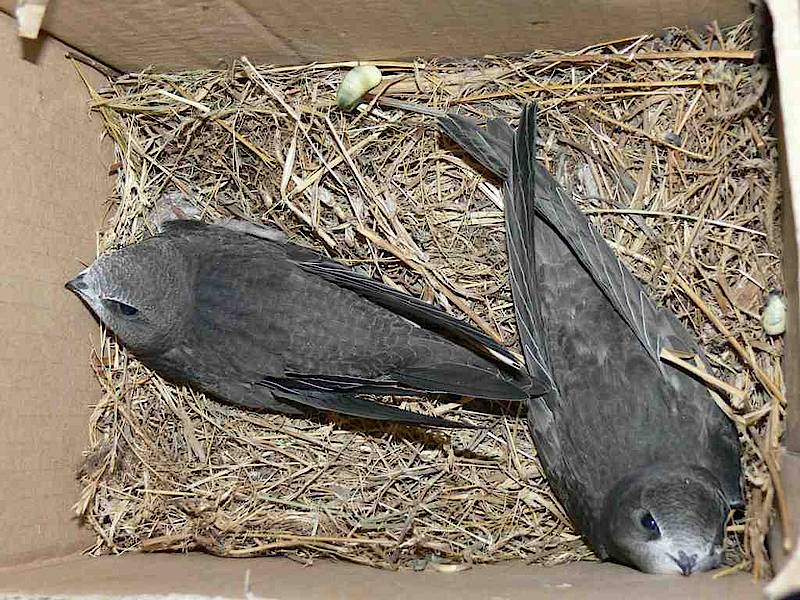
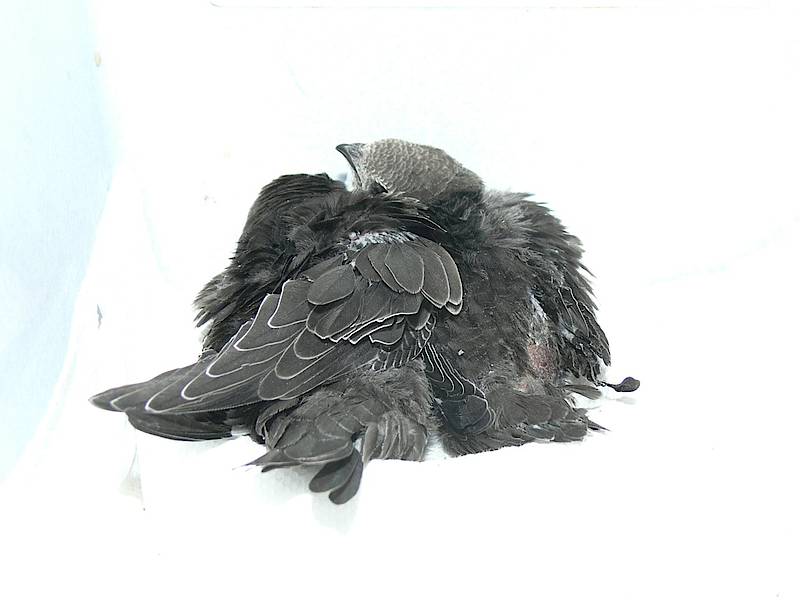
Mit Beginn der Brutsaison werden sehr häufig abgestürzte oder verwaiste junge Mauersegler gefunden, die ohne fachgerechte Hilfe ebenfalls verloren sind, da die Eltern niemals außerhalb des Nestes füttern. Die artgerechte Handaufzucht solcher Findlinge ist von großer Relevanz, denn bei falscher Fütterung werden immer wieder schwere Schädigungen des Skeletts und des Großgefieders beobachtet, die zur Flugunfähigkeit führen können.
Probleme
Der Umgang mit Mauerseglern in Menschenhand ist nach wie vor ein veterinärmedizinisch kaum erschlossenes Feld, das bisher oft engagierten Laien überlassen blieb. Eine art- und sachgerechte Betreuung unter der Prämisse einer Wiederherstellung der Wildbahnfähigkeit ist dabei nicht immer gewährleistet. Viele Finder bemühen sich mit selbstlosem, persönlichem Engagement um einen aufgefundenen Mauersegler, scheitern jedoch zumeist an den erheblichen Komplikationen, die sich aus dem schwierigen Umgang mit dem anspruchsvollen Pflegling ergeben. Ebenso kontraproduktiv wirkt sich die Vielzahl widersprüchlicher, oft irrtümlicher Informationen aus, die sie an unterschiedlichsten Stellen einholen.
Suche nach Hilfe
Erfahrungsgemäß wenden sich ratsuchende Tierfreunde zunächst an einen Tierarzt, bevorzugt ihren eigenen, sofern sie selbst Tiere besitzen.
Benachbarte Vogelfreunde, der örtliche Tierschutzverein, Zoofachgeschäfte oder Naturschutzverbände, Wildparks und Zoologische Gärten werden ebenfalls um Rat ersucht. Diese Anlaufstellen sind jedoch mit den speziellen Ansprüchen solcher Findlinge häufig überfordert. Oft wird auch "auf eigene Faust" probiert, dem Fundvogel zu helfen, was aufgrund mangelnder Kenntnisse vielfach fehlschlägt.
Viele ehrenamtliche Wildvogelpflegestationen und "Vogelmütter" kümmern sich mit großem Einsatz, oft aber ohne ausreichende Berücksichtigung der Lebensweise und Biologie des Mauerseglers um betroffene Tiere. Immer wieder ist ein Beharren auf jahrzehntealten und zweifelhaften Methoden der Fütterung, Pflege und sogar Therapie zu beobachten. Da Mauersegler im Gegensatz zu kleinen Singvögeln nur selten mit raschem Tod, sondern durchweg mit Spätschäden des Organ- und Skelettsystems sowie des Gefieders auf Fehlbehandlungen reagieren, ist Überzeugungsarbeit von tierärztlicher Seite schwer. Zudem differieren selbst unter Fachleuten die Ansichten erheblich, wie dieser hochspezialisierte Dauerflieger zu behandeln sei.
Fehlende Kontrolle
Weil freigelassene Rekonvaleszenten nur in den seltensten Fällen offiziell beringt werden können, entziehen sich Erfolg oder Misserfolg von an Mauerseglern vorgenommenen Manipulationen in der Regel jeglicher Kontrolle. Leidtragende sind in allen Fällen die betroffenen Mauersegler, da bei Vögeln mit derart spezialisierter Lebensweise schon kleinste Fehler zu fatalen Konsequenzen führen können. Vielfach, insbesondere bei einer unsachgemäßen Behandlung, bei falscher Einschätzung von Verletzungen wie Frakturen und Luxationen oder bei Fehlfütterung, sind dem unvermeidlichen Ende Schmerzen und langes Leiden vorgeschaltet.
Prognose und Therapie
Beim Mauersegler - einem Vogel, der den extremen Anforderungen des Dauerfluges genügen muss - müssen bestimmte Verletzungen, z. B. Flügelfrakturen, anders beurteilt werden als bei anderen Wildvögeln und vor allem anders als bei Ziervögeln. Die therapeutischen Möglichkeiten sind eingeschränkt, weil das alleinige Ziel einer tierärztlichen Behandlung die vollständige Wiederherstellung der Überlebensfähigkeit in freier Natur und nicht einfach nur Lebensrettung ist.
Nachsorge
Über tiermedizinische Manipulationen hinaus ist im Umgang mit einem Wildvogelpatienten eine sachgerechte, oft aufwendige Nachsorge von entscheidender Bedeutung. Verhalten und Ansprüche unterscheiden sich ganz erheblich. Der Tierarzt muss also nicht nur abwägen, was bei einem freilebenden Vogel wie dem Mauersegler medizinisch sinnvoll, möglich und unter den gegebenen Bedingungen umsetzbar ist, sondern es auch mit den spezifischen adaptiven Anforderungen in Übereinstimmung bringen. Zusammenarbeit mit kompetenten Ornithologen ist daher vielfach erforderlich. Zur Abschätzung der mittleren Lebenserwartung und der Überlebenswahrscheinlichkeit im Hinblick auf die Jahreszeit (z. B. Zugvögel!) ist ornithologischer Rat ebenfalls wichtig.
Sehr frühzeitig und möglichst sicher muss der Tierarzt bei Verletzungen und Defekten unterschiedlichster Art prognostizieren, ob eine restitutio ad integrum zu erwarten, durch welche therapeutischen Maßnahmen sie zu realisieren und ob eine fachgerechte Nachsorge gegeben ist.
Die über Jahre in der Mauerseglerklinik gesammelten Erfahrungen können dazu dienen, diesen hochspezialisierten Patienten seinen besonderen Ansprüchen gemäß besser einschätzen und die notwendigen Konsequenzen daraus ziehen zu können. Dies soll dem Tierarzt helfen, für in seiner Praxis vorgestellte Mauersegler exakte Diagnosen zu stellen, eine realistische Prognose zu treffen und Finder wie Fundtier gerecht zu werden. Neben Aspekten des Tierschutzes kann damit auch ein Beitrag zum Artenschutz geleistet werden. Immerhin haben die Naturschutzverbände den Mauersegler zum Vogel des Jahres 2003 erklärt, nicht zuletzt im Hinblick auf die vielen Gefahrenquellen eines Lebens im ausgesprochen urbanen Bereich.