Das Skelett des Mauerseglers hat in Anpassung an seine rein luftgebundene Lebensweise im Vergleich zu anderen Vogelarten einige Besonderheiten entwickelt.
Der Mauersegler hat einen verhältnismäßig großen, markant gewölbten Hirnschädel. Auffällig ist die Größe der Augenhöhle. Verglichen mit anderen Vögeln seiner Größe und Körpermasse hat der Mauersegler sehr große, das Gesicht dominierende Augen, die ein weites Gesichtsfeld garantieren und nicht nur bei schnellen Flugmanövern, sondern vor allem auch für die Jagd nach kleinen Beutetieren erforderlich sind. Ein Segler kann die Augen deutlich nach vorn drehen und so den Divergenzwinkel der Augenachsen vermindern, was es dem Vogel ermöglicht, das Beutetier bis zum letzten Moment vor dem Zuschnappen binokular zu fixieren. In den Konturfedern des Kopfes liegt das Auge eingebettet in einer Nische, rostral zusätzlich geschützt durch eine feine, vorstehende, pinselartige Federreihe. Ähnlich wie bei vielen Greifvögeln verläuft auf knöcherner Grundlage ein markant vorspringender Federsaum oberhalb des Auges, senkt sich zur Nase hin ab und bildet die vordere Begrenzung der Augennische. Die von Federn dachfirstartig überdeckte Nischenkonstruktion dient zweifellos dem Schutz der Augen des Seglers, die bei eventuellen Anflügen besonders gefährdet sind, könnte aber auch eine Art Windschutz sein oder beim Flug durch Insektenschwärme vermeiden, dass Fremdkörper ins Auge geraten. Die Optik dieses markanten Augenbogens verleitet viele Finder von Mauerseglern dazu, ihren Findling für einen kleinen Greifvogel zu halten.
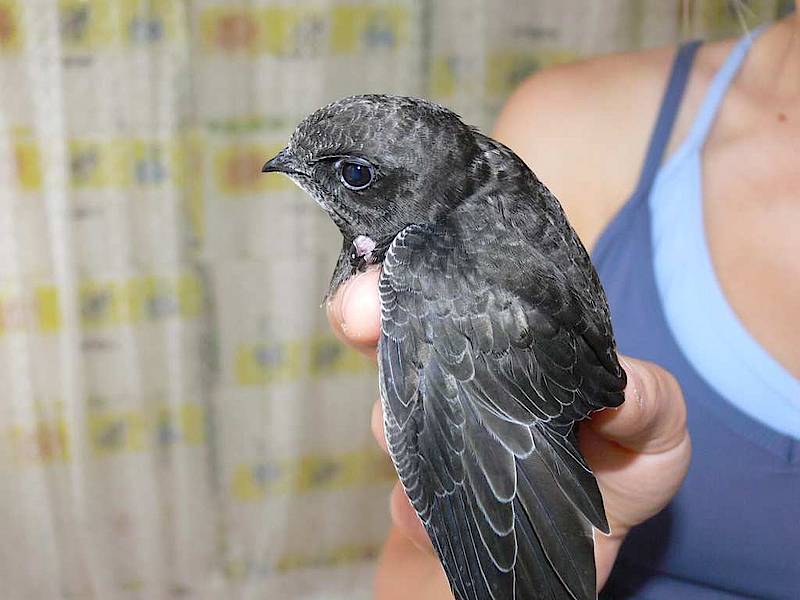
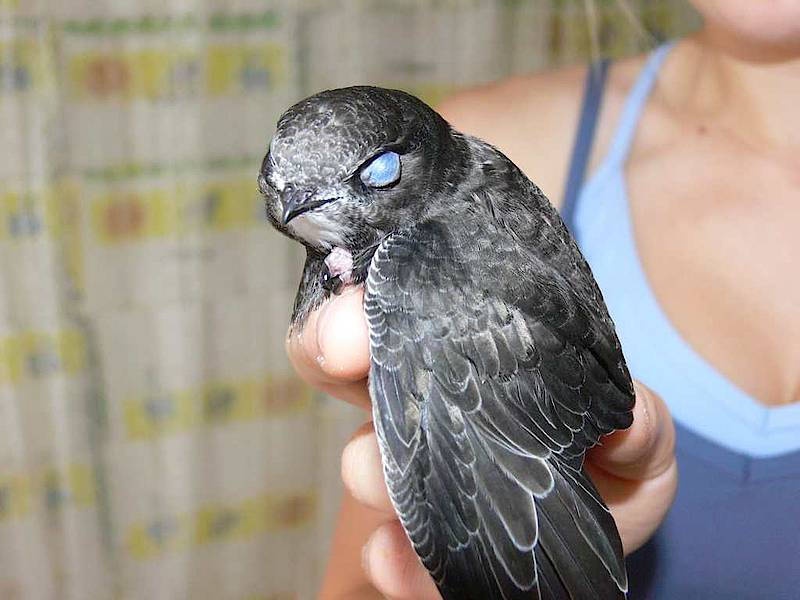
Der Mauersegler besitzt einen kurzen, dreieckig geformten, spitz zulaufenden Oberschnabel, der relativ große Nasenlöcher einschließt, und einen filigranen, bogenförmig geschwungenen Unterschnabel, der unterhalb des Ohres am Kiefergelenk inseriert. Bei geschlossenem Schnabel ist lediglich die kleine, verhornte, etwas abwärts gebogene Schnabelspitze sichtbar. Öffnet der Segler den Schnabel, erscheint die bis unter die Augen reichende Mundöffnung riesig. Zwischen den bogenförmigen Unterkieferästen spannt sich der sehr dehnbare Kehlbereich („Kehlsack“); der geöffnete Rachen erinnert an einen Kescher. Fütternde Altsegler sammeln die gefangenen Insekten, verkleben sie mit Speichel zu einer haselnussgroßen Futterkugel und transportieren sie zur Brut. Einen Kropf gibt es nicht.
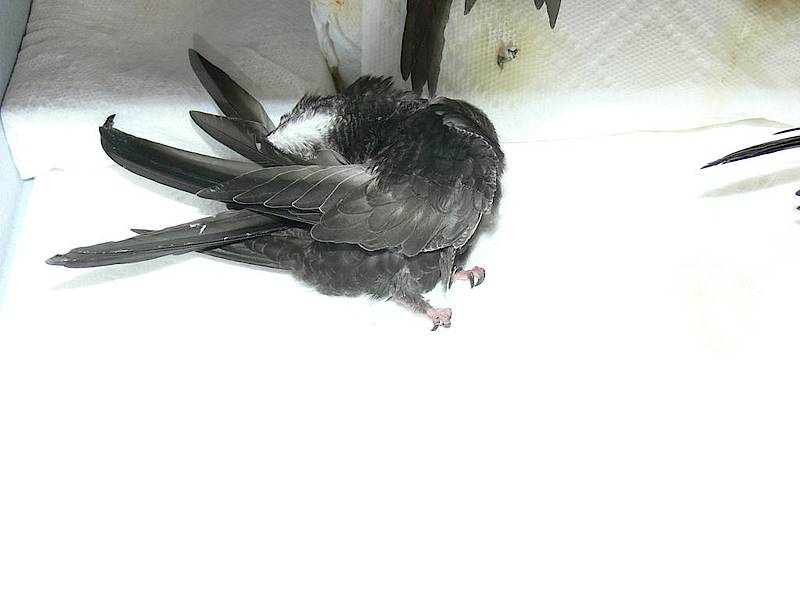
Beim Mauersegler scheint der relativ breite, dicht befiederte Kopf unmittelbar dem Schultergürtel aufzusitzen. Die gedrungene, windschnittige Kopf-Rumpf-Linie täuscht über eine bogenförmig geschwungene Halswirbelsäule mit 12 Halswirbeln hinweg. Ein langgestreckter Halsabschnitt würde die energetisch günstige Torpedoform durchbrechen und wäre damit für den dauerfliegenden Insektenjäger ein Nachteil. Dennoch ist der Kopf sehr beweglich. Wie die Eulenartigen vermag auch der Mauersegler den Kopf um 180° zu drehen. Beim Anklammern an Haus- oder Felswände, z. B. bei der Nistplatzsuche, ist die Fähigkeit des Rundumblicks sicher von Nutzen. Noch wichtiger mag die außerordentliche Gelenkigkeit im nur scheinbar kurzen Halsbereich bei der lebensnotwendigen Gefiederpflege sein, die Mauersegler zumeist während des Fluges vornehmen müssen: Um noch die längsten Handschwingen putzen und zum Glätten durch den Schnabel ziehen zu können, sind vollendete Balance und Bewegungen des Kopfes und Halses erforderlich, die akrobatisch anmuten.
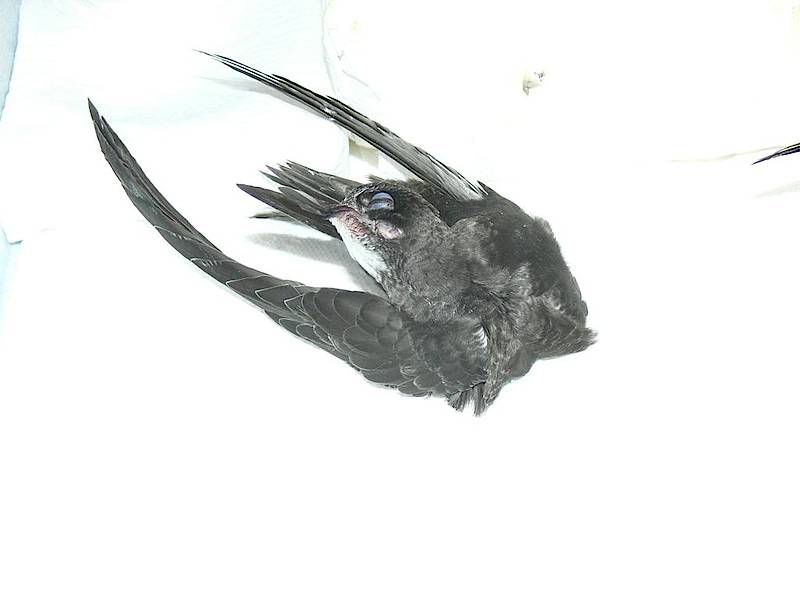
Der Mauersegler verfügt über ein vollständiges Schultergürtelskelett, das aus der schmalen, geschwungenen spangenförmigen Clavicula (Gabelbein), der relativ langen, flachen, säbelförmigen Scapula (Schulterblatt) und dem gedrungenen Coracoid (Rabenschnabelbein) als kräftigstem Knochen besteht. Im Vergleich zu anderen Vogelarten fällt die sehr kompakte, gedrungene Anordnung der einzelnen Schultergürtelknochen auf.
Das breit und flächig am Sternum (Brustbein) aufsitzende Coracoid und die wie eine Spannfeder konstruierte Clavicula, die die Schultergelenke auseinanderhält, sind für die Flugleistung von entscheidender Bedeutung. Vermutlich wird durch die kurze, kompakte Form und geringe Distanz vom Schultergelenk zum Ansatz des Coracoids am Sternum eine direktere und verbesserte Kraftübertragung vom Flügel auf den Rumpf gewährleistet. Des weiteren vermindert die massive, gedrungene Skelettanatomie im Schultergürtel möglicherweise die Verletzungsgefahr, der ein Vogel mit hoher Fluggeschwindigkeit und ausschließlich luftgebundener Lebensweise, Tag und Nacht fliegend, besonders ausgesetzt ist. Einen zusätzlichen Schutz vor Frakturen und Luxationen stellen mächtige Muskelmassen dar, die Oberarm, Schulter und Vorderbrust überdecken.
Das Flügelskelett des Mauerseglers zeigt die für einen Hochleistungsflieger charakteristische Anpassung mit kurzem, gedrungenem Oberarm, relativ kurzem Unterarm und extrem langem Hand- und Fingerbereich.
Der Oberarm des Mauerseglers scheint einzig dem Ansatz der mächtig ausgebildeten Schulter-, Brust- und Oberarmmuskulatur zu dienen, in die er, wirkungsvoll vor Frakturen geschützt, komplett eingebettet ist. Proportional um ein Drittel länger als der Oberarm sind die Elle (Ulna), an der die zehn Armschwingen ansetzen, und die kranial relativ ungeschützt liegende Speiche (Radius), deren exponierte Lage sie für den Mauersegler zu einer „Achillesferse“ bei Anschlägen mit dem vorderen Flügelrand an Hindernisse macht.
Die Mittelhand (Carpometacarpus) des Mauerseglers ist genauso lang wie Ulna und Radius und damit proportional erheblich länger als bei den meisten anderen Vogelarten. Durch die Verwachsung mehrerer Handwurzelknochen und eine straffe gelenkige Verbindung zum 2. Finger weist sie erhebliche Stabilität auf und dient als Ansatz für die 1. – 5. Handschwinge. Im aktiven Flug fällt die stärkste Belastung auf die Handschwingen und das Handskelett des Vogels. In diesem Bereich gibt es kaum noch Muskulatur, sondern fast nur noch Sehnenzüge; Hand- und Fingerknochen sind lediglich von dünner Haut und Deckgefieder bedeckt.
Beim Mauersegler sind sieben Rippenpaare zu erkennen. Der Rippenkorb umschließt die inneren Organe von vorn nach hinten in Birnenform. Ansatz für die mächtige Flugmuskulatur bietet das große, dominante Sternum, welches seitlich gesehen annähernd die Form eines nach hinten gerichteten, spitzwinkligen Dreiecks aufweist.
Im Lauf der Evolution hat sich für den Mauersegler die Notwendigkeit einer Fortbewegung am Boden weitestgehend erübrigt und auf ein robbendes Krabbeln in der Nisthöhle reduziert, vorwärts wie rückwärts gleichermaßen geschickt. Die Flügel werden zum Balancehalten wechselseitig stützend benutzt. Der Oberkörper befindet sich dabei fast parallel zum Boden. Die Hüftgelenke sitzen hoch im hinteren Rumpfbereich. Der Körperschwerpunkt liegt tief; offenkundig ist die gesamte Rumpfkonstruktion auf das Fliegen ausgerichtet und ermöglicht am Boden nur noch eine unbeholfen anmutende Art der Fortbewegung, die aber doch verblüffend schnell und wendig erfolgen kann. Bei Auseinandersetzungen vermag sich der Altsegler sogar hoch aufzurichten und einem Kontrahenten mit ausgebreiteten Flügeln entgegenzulaufen; ähnliches ist auch bei hungrig bettelnden Jungseglern zu beobachten, die sich mit wild schlagenden Flügeln auf den futterbringenden Altvogel stürzen.
Der kurze gerade Oberschenkel, Kniegelenk und langer schmaler Unterschenkel liegen seitlich am Körper an und verschmelzen fast komplett mit der torpedoförmigen Rumpfsilhouette. Auffällig ist der kurze, kräftige Mittelfuß (Tarsometatarsus) und vor allem die bemerkenswerten Krallen.
Wie die meisten Vogelarten besitzt auch der Mauersegler vier Zehen. BEZZEL und PRINZINGER (1990) und HUMMEL (2000) geben an, dass bei Seglerartigen alle vier Zehen nach vorn weisen. Auch GLUTZ und BAUER (1980) führen als Merkmal der Gattung Apus auf, alle vier Zehen seien postembryonal nach vorn gerichtet.
Dem widersprechen eigene Beobachtungen an den Pfleglingen in der Mauerseglerklinik: Die 2. – 4. Zehe des Mauerseglers zeigt nach vorn, die 1. hingegen weist große Flexibilität auf und wird wie eine „Wendezehe“ nach innen und nach vorn bewegt. Nur in Ruheposition kommt es vor, dass alle vier Zehen direkt nach vorn gehalten werden. Kletternd und hangelnd zeigt sich eine seitlich gerichtete Anordnung jeweils der 1. und 2. sowie der 3. und 4. Zehe, ähnlich einem Greifhaken. Ansonsten sind alle vier Zehen am Fuß des Mauerseglers gleichmäßig wie die Finger einer ausgebreiteten Hand seitlich und nach vorn verteilt und suchen, wenn man sie vom Untergrund löst, sich unablässig öffnend und schließend sofort reflektorisch nach Halt. Auffallend ist ihre erhebliche Beweglichkeit und Gelenkigkeit.
Der einzigartige Zangenfuß
Beim Vogel besteht jede Zehe aus je einem Grundglied und einem Krallenbein, das die Hornscheide trägt. Dazwischen sind Zwischenglieder eingeschoben: eins bei der 2., zwei bei der 3. und drei bei der 4. Zehe (HUMMEL, 2000). Ganz anders und möglicherweise einmalig in der Vogelwelt sieht es beim Mauersegler sowie seinem großen Verwandten, dem Alpensegler aus: Alle vier Zehen bestehen nur aus Grundglied und Krallenbein. Es gibt keine Zwischenglieder.
Untersuchungen an weiteren Angehörigen der Ordnung Apodiformes wären von großem Interesse, um festzustellen, ob Mauersegler und Alpensegler bezüglich der Anatomie ihres Fußes eine Sonderstellung einnehmen oder ob dieses für Vögel höchst ungewöhnliche Merkmal noch bei anderen Seglern auftritt.
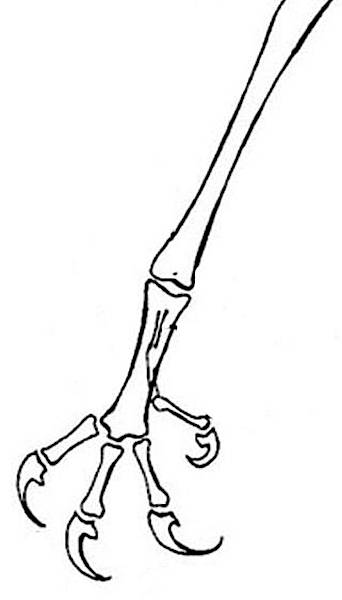
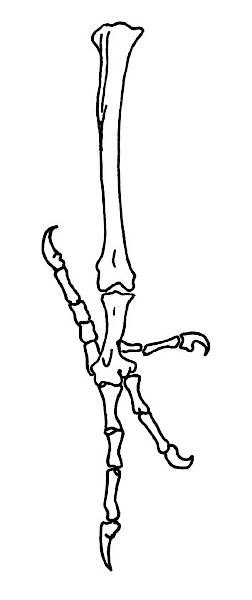
Die wissenschaftliche Bezeichnung des Mauerseglers – apus, ohne Fuß – zeugt von einer seit langem bestehenden Fehleinschätzung, die sich bis in die heutige Zeit beharrlich hält, wenn im Volksmund von den zurückgebildeten oder gar verkümmerten Füßen des Seglers die Rede ist: „Apodes, das ist ohne Füß genennet / nicht daß sie gar keine Füß haben / sondern weil sie dieselbigen nicht brauchen können“ (GESNER, 1669).
Ein Mauersegler hat alles andere als zurückgebildete oder verkümmerte Füße. Seine Hintergliedmaßen sind nur ein weiteres Beispiel für einen Prozess evolutionärer Anpassung und Reduktion (nicht Simplifikation!) auf das für seine Lebensbedingungen Wesentliche. Er verfügt mit ihnen über gleichermaßen als Werkzeug wie als Waffe geeignete Extremitäten.
Funktionen und Vorteile, die sich für den Mauersegler aus der skelettanatomischen Besonderheit seines zweigliedrigen Zangenfußes ergeben, liegen auf der Hand. Für einen Vogel, der sich naturgemäß nie auf dem Boden oder in Bäumen niederlässt (Ausnahmen sind einige seltene Einzelbeobachtungen von Mauerseglern, die in Afrika in Bäumen hängend übernachteten), hat ein „normaler“ Vogelfuß, geeignet zum Umfassen und Festhalten von Ästen, keinen adaptiven Vorteil, sehr wohl hingegen ein kräftiges, haken- bzw. zangenähnliches Greifwerkzeug, mit dem sich der Vogel bei der Nistplatzsuche sicher an senkrechten Wänden und Vorsprüngen anklammern kann. Zehen mit nur zwei Gliedern gestatten optimale Kraftausübung. Auch als Waffe oder zur Verteidigung ist ein solcher Haken- oder Zangenfuß ungemein wirkungsvoll. Mauersegler im Schock oder in Panik können sich so fest in eine menschliche Hand krallen, dass sie die Haut perforieren und nur mit äußerster Mühe wieder zu lösen sind, denn die nach innen gerichteten, spitzen Krallen verankern sich wie Widerhaken.
Beim Jungsegler hat die Klammerkraft der Krallen besondere Bedeutung und hindert ihn am Herausfallen aus dem Nest. Ganz extreme und erstaunliche Ausmaße erreicht dieses früh ausgebildete Klammervermögen z. B. bei den afrikanischen Palmseglern, die vertikal an der Rückseite eines Palmblattes brüten und deren Junge sich annähernd über Kopf an ihrem schaukelnden Nistplatz festklammern müssen. Es ist zu vermuten, wäre aber noch nachzuweisen, ob die Anatomie dieser Segler ähnliche Anpassungen aufweist.