Allgemeines
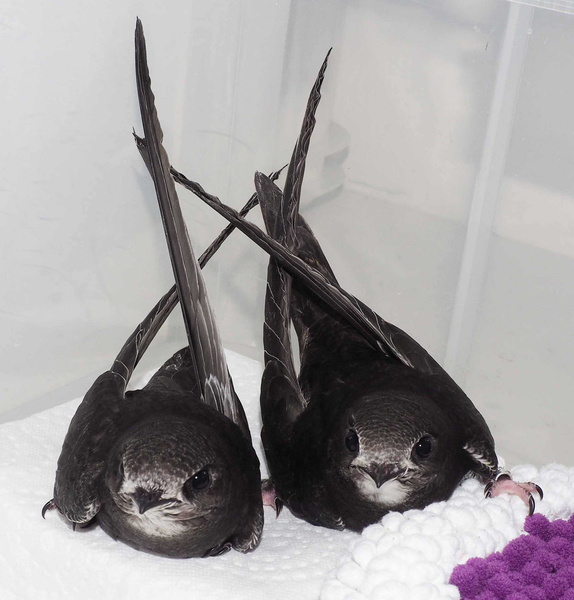
Mauersegler sind Koloniebrüter. Sie brüten in größeren Verbänden an einem Haus oder in unmittelbarer Nachbarschaft. Wer Mauersegler schützen will, muss immer mit mehreren Nestern rechnen. Vernichtet man einen Teil einer Kolonie, wird die gesamte Kolonie massiv gestört. Heimatlos gewordene Mauersegler werden möglicherweise versuchen, in noch bestehende, aber durch andere Paare belegte Nistplätze einzufliegen mit der Folge von Brutplatzkämpfen. Dabei können sich beide Kämpfer massive Verletzungen zuziehen.
Mauersegler nisten oben an Häusern, meist an den Hauskanten: hinter Regenrohren und Fallrohren, in hölzernen Traufkästen, oben an Mauerkronen, in Rolladenkästen, unter Fenstersimsen, unter Dachpfannen, am Ortgang …; ihre Nester sind von außen nicht zu sehen, man kann aber vor allem in den Abendstunden die Einflüge der Mauersegler beobachten.
Alle Gebäudebrüter und ihre Nistplätze sind ganzjährig gesetzlich geschützt, also auch dann, wenn sie nicht in unseren Gebäuden brüten oder wenn sie im Winter nicht in Europa sind. Im Einzelnen:
Gemäß der europäischen Fauna-Flora-Habitat Richtlinie der Europäischen Union und der Vogelschutzrichtlinie sind Gebäudebrüter als Teil der „europäischen Vogelarten“ und hinsichtlich der artenschutzrechtlichen Verbote den streng geschützten Arten gleichgestellt. (siehe die Europäische Vogelschutzrichtlinie 79/409/EWG, die am 15.02.2010 in Kraft getreten ist (Richtlinie 2009/147/EG)). Durch die Umsetzung der Naturschutzgesetze des Bundes und der Länder sollen sie in ihren Beständen dauerhaft erhalten werden. Maßgeblich ist § 44 Bundesnaturschutzgesetz.
In Absatz 1 heißt es dort:
§ 44 Abs 1 BNatSchG (Auszug)
Es ist verboten,
- wild lebenden Tieren der besonders geschützten Arten nachzustellen, sie zu fangen, zu verletzen oder zu töten oder ihre Entwicklungsformen aus der Natur zu entnehmen, zu beschädigen oder zu zerstören,
- wild lebende Tiere der besonders geschützten Arten und der europäischen Vogelarten während der Fortpflanzungs-, Aufzucht-, Mauser-, Überwinterungs- und Wanderzeiten erheblich zu stören; eine erhebliche Störung liegt vor, wenn sich durch die Störung der Erhaltungszustand der lokalen Population einer Art verschlechtert,
- Fortpflanzungs- oder Ruhestätten der wild lebenden Tiere der besonders geschützten Arten aus der Natur zu entnehmen, zu beschädigen oder zu zerstören.
- (…)
Für Mauersegler bedeutet dies:
Bei Sanierungen oder bei Abriss eines Gebäudes oder Gebäudeteils sowie bei Entkernungen dürfen weder das Gelege mit Eiern noch ein Gelege mit Jungvögeln beseitigt werden, noch die Brutvögel beim Ein- und Ausfliegen behindert werden. Löcher am Gebäude, die von Mauerseglern als Brutstätte genutzt werden, dürfen nicht verschlossen werden. Baumaßnahmen dürfen erst nach erfolgtem Ausflug der Jungvögel an dem betroffenen Gebäudeteil stattfinden. Dabei kommt es nicht auf eine theoretische Annahme an („Mauersegler sind meistens zwischen Mai und Mitte Juli in Deutschland“) sondern auf das konkrete Vorhandensein von Jungtieren an.
Im Rahmen von Sanierungsvorhaben dürfen grundsätzlich keine Tiere oder Eier zu Schaden kommen.
Brütende Vögel dürfen durch die Arbeiten nicht in der Weise gestört werden, dass die Brut behindert oder aufgegeben wird und die Jungen bzw. die Eier absterben oder dass der Brutplatz dauerhaft aufgegeben wird – in der Regel bedeutet dies, dass Sanierungsarbeiten an Gebäuden mit brütenden Vögeln außerhalb der Brutzeit durchzuführen sind.
Für die Fortpflanzungs-, Ruhe- und Schlafstätten besteht ein ganzjähriger Schutz, wenn die Tiere standorttreu sind. Darunter versteht man Tiere, die jedes Jahr zur gleichen Brutstätte zurückkehren. Mauersegler sind extrem standorttreu. Sie treffen sich jedes Jahr mit ihrem Brutpartner am gleichen Nistplatz. Die Quartiere von Mauerseglern dürfen also auch während der Abwesenheit der Tiere nicht beschädigt, zerstört, entfernt oder verschlossen werden.
Zuständig für die Einhaltung des geltenden Natur- und Artenschutzrechts ist in der Regel die Untere Naturschutzbehörde Ihrer Gemeinde. Ihr melden Sie einen beobachteten gesetzeswidrigen Übergriff auf Gebäudebrüter. Es ist hilfreich, wenn Sie detaillierte Angaben machen können, wo die Brutstätten sind oder waren. Wenn Sie Fotos gemacht haben, ist es für die Behörde leichter zu handeln, denn damit kann man beweisen, wo und dass dort Mauersegler oder andere Gebäudebrüter genistet haben.
Wer gegen $ 44 BNatSchG verstößt, begeht eine Ordnungswidrigkeit. Dies gilt für jeden, der mittelbar oder unmittelbar handelt, also nicht nur für den Bauherrn, sondern auch für den beauftragten Architekten, Bauleiter oder die ausführenden Handwerker. Gemäß § 69 Abs. 7 i.V.m. § 69 Abs. 1 BNatSchG können diese mit einer Geldbuße bis zu 50.000 € belegt werden. Zudem wird in vielen Fällen nicht nur ein Baustopp verhängt, sondern auch die Rücknahme von Baumaßnahmen verlangt, etwa der Rückbau von Gerüstteilen, die Abhängung von Planen und Staubnetzen oder das Wiederherstellen von Öffnungen.
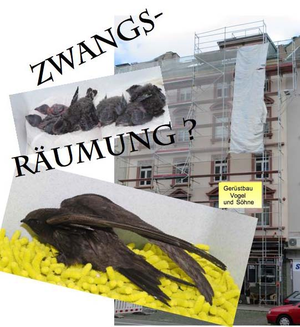
Ich möchte mein Haus umbauen, meine Fassade renovieren, eine Energiesanierung durchführen oder ein Gebäude abreißen. Das kann ja wohl nicht verboten sein!
Natürlich sind Reparaturarbeiten und Modernisierungen an Gebäuden notwendig, selbstverständlich dürfen Gebäude abgerissen werden – aber das Vorhaben muss artenschutzrechtlich verträglich sein.
Nur in sehr seltenen Fällen darf ein Bauvorhaben überhaupt nicht durchgeführt werden. Fast immer kann eine Lösung oder ein Kompromiss gefunden werden, der die Maßnahme ermöglicht.
Deshalb ist es notwendig, dass schon bei der Planung eines Bau- oder Sanierungsvorhabens das Thema „Artenschutz“ beachtet wird. Nur so lässt sich unnötiger Ärger, Stress und unnötige Kosten vermeiden.
Wie kann man vorgehen?
- Ist bei meinem geplanten Vorhaben der Artenschutz überhaupt betroffen? Lebt eine geschützte Tierart an dem Gebäude?
Nicht immer ist einem Eigentümer klar, dass er tierische Untermieter hat. Mauersegler zum Beispiel können sehr diskret sein, wenn sie in eine Nische einfliegen. Auch lebt nicht jeder Eigentümer in dem betreffenden Gebäude. Oft beobachten aber die Nachbarn oder Mieter die Tiere. Es ist sinnvoll, rechtzeitig mit Menschen vor Ort in Kontakt zu treten und nach solchen Beobachtungen zu fragen.
Bei großen Vorhaben ist es sinnvoll, schon im Jahr, bevor eine Sanierung oder ein Abriss geplant ist, mit beauftragten Baubiologen die Gebäude zu begehen und begutachten zu lassen.
Wenn der Artenschutz betroffen ist, muss eine Ausnahmegenehmigung gem. § 67 BNatSchG bei der zuständigen Behörde beantragt werden. In dieser wird dann festgelegt, unter welchen Bedingungen die Baumaßnahme stattfinden darf. Die Behörde prüft - ob und wie Beeinträchtigungen für die Gebäudebrüter und ihre Lebensstätten vermieden werden können;
- wenn dies nicht möglich ist, wie man verhindern kann, dass die Tiere geschädigt werden. Oft wird die Baumaßnahme auf einen Zeitpunkt nach der Brut und nach Aufzucht der Jungen verschoben. Es ist aber möglicherweise auch machbar, nur Teile der Baumaßnahme später durchzuführen, also an Stellen zu beginnen, an denen keine Tiere gefährdet werden.
- Können Lebensstätten nicht erhalten werden, muss Ersatz geschaffen werden. Bei Mauerseglern sollten diese möglichst nah an den ursprünglichen Einflugstellen positioniert werden. Mauersegler sind extrem ortstreu und fliegen bei ihrer Rückkehr aus Afrika genau zu der Stelle, an der sie immer eingeflogen sind. Sie gewöhnen sich nur schwer um.
Falls bei Modernisierung oder Gebäudeabriss das Verschließen oder Beseitigen eines Quartiers erforderlich ist, ist eine Ausnahmegenehmigung bei der zuständigen Behörde zu beantragen. Welche Behörde zuständig ist, ist dem Naturschutzrecht des jeweiligen Bundeslandes zu entnehmen. In Hessen ist die Untere Naturschutzbehörde zuständig. Die UNB kann eine naturschutzrechtliche Befreiung nach § 67 Abs. 2 BNatSchG von dem Verbot nach § 44 BNatSchG erteilen. Nur mit dieser Genehmigung darf ein Neststandort in dem sich aktuell keine Eier oder Tiere befinden, verschlossen werden. Die Genehmigung ist in der Regel mit Auflagen wie dem Schaffen von Ersatznistplätzen oder der Wiederherstellung des Nistplatzes verbunden.
„Ich liebe Mauersegler! Ich wohne im 4. Stock, bin Mieterin und möchte Mauerseglernisthilfen über meinem Balkon anbringen. Darf ich das?“
Das sollten Sie mit Ihrem Vermieter absprechen. Wenn eine Nisthilfe erst einmal bezogen ist, dann steht sie unter dem Schutz des § 44 BNatSchG. Unter Umständen kommt es deshalb zu einer Rechtsstreitigkeit mit Ihrem Vermieter.
„Ich habe beobachtet, wie die Nachbarn Löcher oben in der Fassade mit Bauschaum verschließen ließen. Ich weiß, dass dahinter Mauersegler brüten!“
Bringen Sie dieses Vorgehen unverzüglich zur Anzeige sowohl bei der Polizei als auch bei der Umweltbehörde Ihrer Gemeinde, im Zweifel auch beim Amtsveterinär. Hier liegt nicht nur eine Ordnungswidrigkeit nach dem Bundesnaturschutzgesetz vor, sondern auch ein Vergehen nach dem Tierschutzgesetz. Kommen die Tiere zu Schaden, liegt hier sogar eine Straftat vor. Drängen Sie auf sofortiges Handeln, denn es besteht die Gefahr, dass die Mauersegler und ihre Küken verhungern, verdursten oder ersticken, auch kann das Gefieder verklebt sein.
„Hinter unserer Regenrinne brüten Mauersegler. Jedes Jahr fallen Küken aus dem Nest. Darf ich den Einflug zu machen und eine künstliche Nisthilfe an die Stelle hängen?“
Nicht immer ist die Stelle, die sich Mauersegler zum Brüten aussuchen, auch geeignet zur Aufzucht der Küken. Trotzdem stellt die Stelle hinter Ihrer Regenrinne einen Brutplatz dar, der gem. $ 44 BNatSchG ganzjährig geschützt ist. Rufen Sie das Umweltamt Ihrer Gemeinde an und schildern Sie das Problem. Ich bin sicher, es wird eine Genehmigung erteilt. Der Nistplatzersatz sollte möglichst genau an der Stelle hängen, an der die Mauersegler es gewöhnt sind, einzufliegen. Vielleicht hängen Sie ja mehrere Nistkästen auf? Und natürlich müssen Sie mit der Maßnahme warten, bis die Mauersegler abgereist sind.
„Ich habe eine Baugenehmigung! Da werde ich ja wohl bauen dürfen und mein Haus so verändern, wie es genehmigt wurde!“
Das dürfen Sie nur dann so machen, wenn in Ihrer Baugenehmigung artenschutzrechtliche Belange ausdrücklich benannt wurden. In der Regel ist dies nicht so. Der Artenschutz ist eigenverantwortlich durch den Bauherrn oder seiner Beauftragten zu beachten.
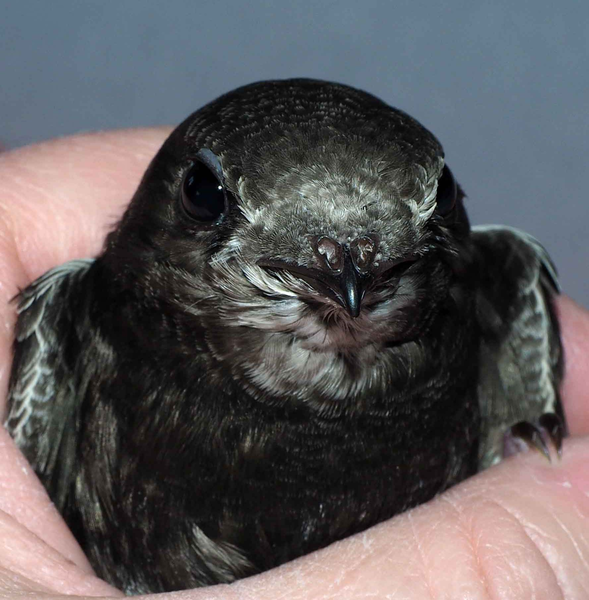
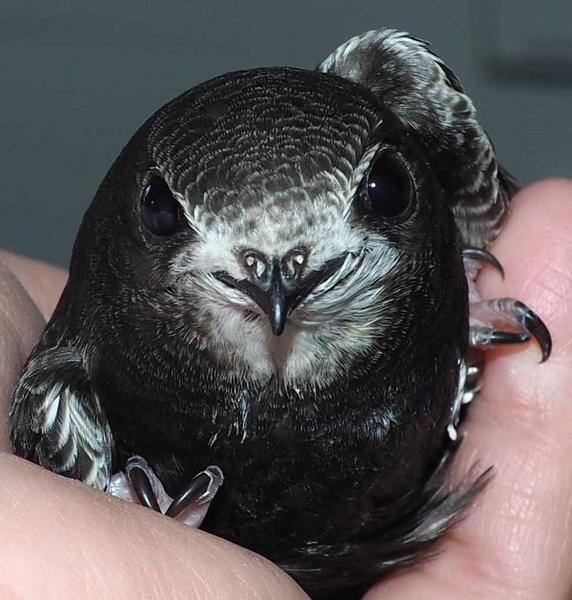
Es gibt eine Vielzahl von Informationsmöglichkeiten zu Rechtsfragen rund um den Gebäudebrüterschutz im Internet. Viele Städte, Landkreise und Gemeinden haben für Ihre Bürger Merkblätter und Broschüren erstellt, die Baumaßnahmen und Gebäudebrüterschutz zum Thema haben. Auch BUND, NaBu und LBV haben Broschüren und Informationsmaterial zum Thema veröffentlicht. Einige Links finden Sie unten (gesehen am 8. JUN 2018), oft sind auch schon geeignete Ansprechpartner genannt. Die Liste erhebt keinen Anspruch auf Vollständigkeit. Für den Inhalt wird keine Verantwortung übernommen. Die Reihenfolge der Links ist zufällig.
Links
https://www.bfn.de/themen/artenschutz/regelungen/vogelschutzrichtlinie.html
https://www.bund-nrw.de/themen/tiere-pflanzen/alle-tiere-pflanzen/artenschutz-an-gebaeuden/gesetzliche-grundlagen/
http://www.bremische-buergerschaft.de/dokumente/wp19/land/drucksache/D19L1594.pdf
https://www.ris-muenchen.de/RII/RII/DOK/SITZUNGSVORLAGE/2594523.pdf
https://www.remscheid.de/leben/medienpool/dokumente020/1.31.5_Broschuere_Waermedaemmung-Artenschutz.pdf
http://www.wessobrunn.de/media/files/schwarzes_brett_2017/Merkblatt_Artenschutz_am_Haus_Gebaeudebrueter_Fledermaeuse_fertig.pdf
http://www.siegen-wittgenstein.de/media/custom/2170_1141_1.PDF?1443093508
https://www.ingolstadt.de/media/custom/465_8474_1.PDF?1520271516
http://www.artenschutz-am-haus.de/haeufige-fragen/von-handwerkern.html
https://berlin.nabu.de/stadt-und-natur/lebensraum-haus/artenschutz/gesetzlicher-schutz/index.html
http://www.gebaeudebrueter.de/projekte/schutz/renovierungen/index.html
https://www.lbv-muenchen.de/unsere-themen-lbv-muenchen/artenschutz-an-gebaeuden-lbv-muenchen/schutzmassnahmen.html
http://www.gruenstifter.com/informationen/artenschutz-am-gebaeude/rechtliche-verpflichtungen-gebaeudebrueter