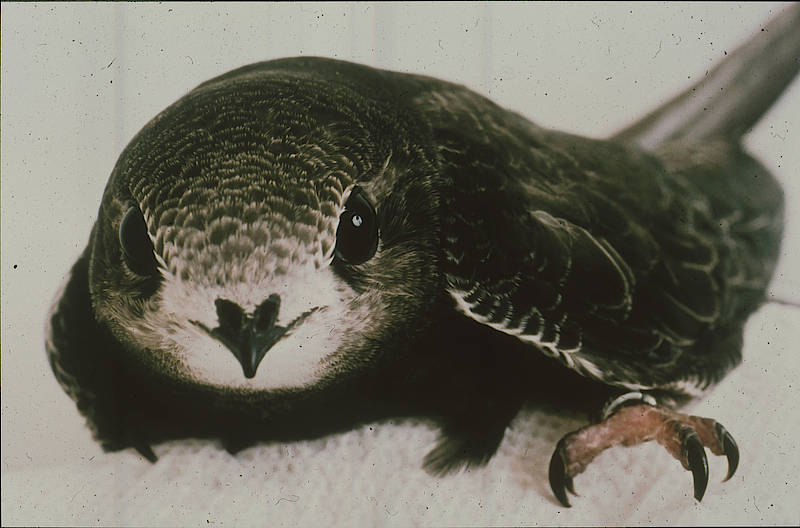
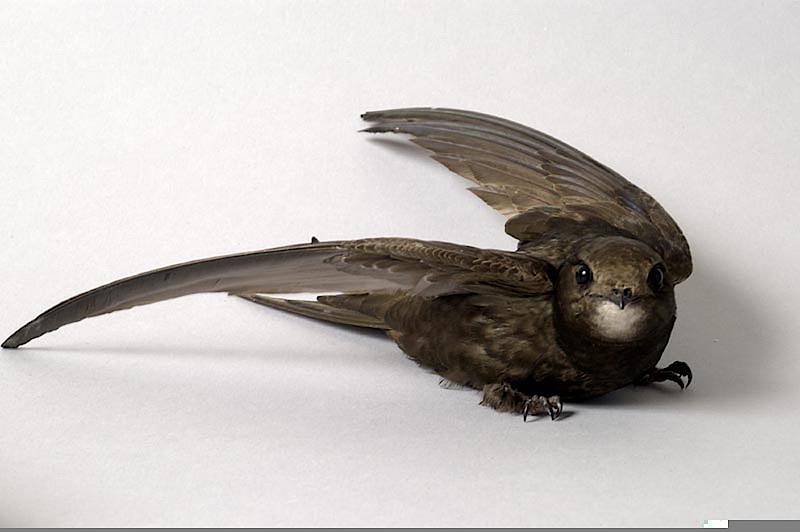
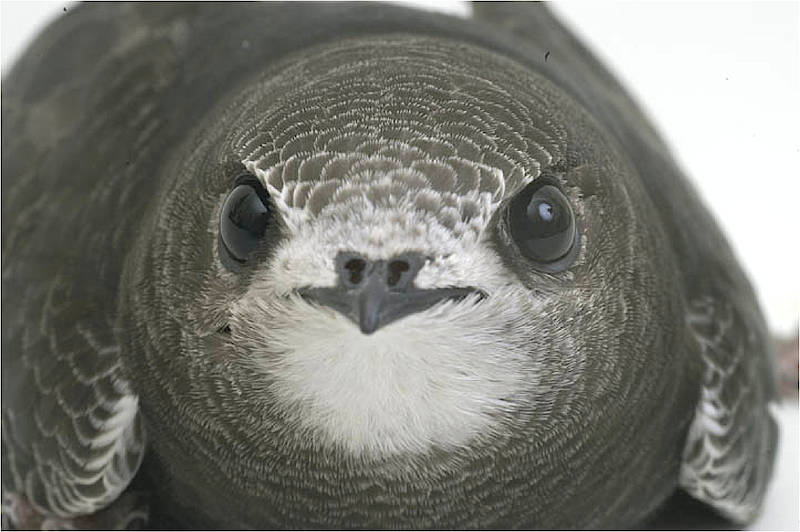
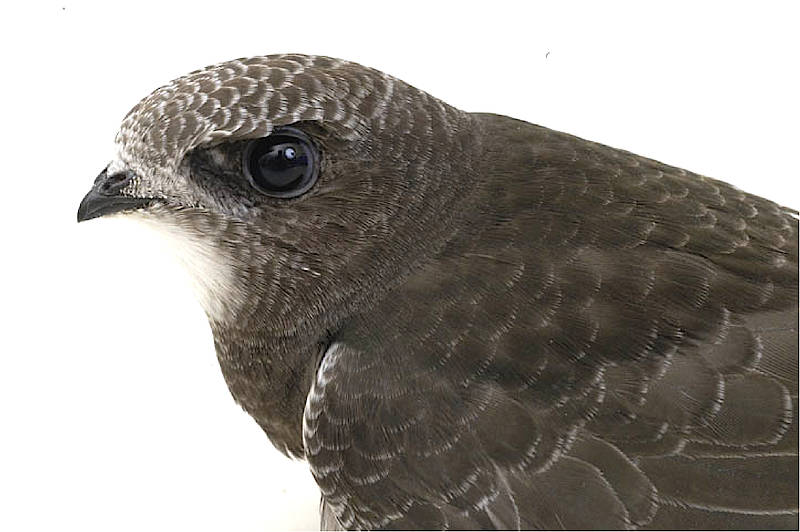
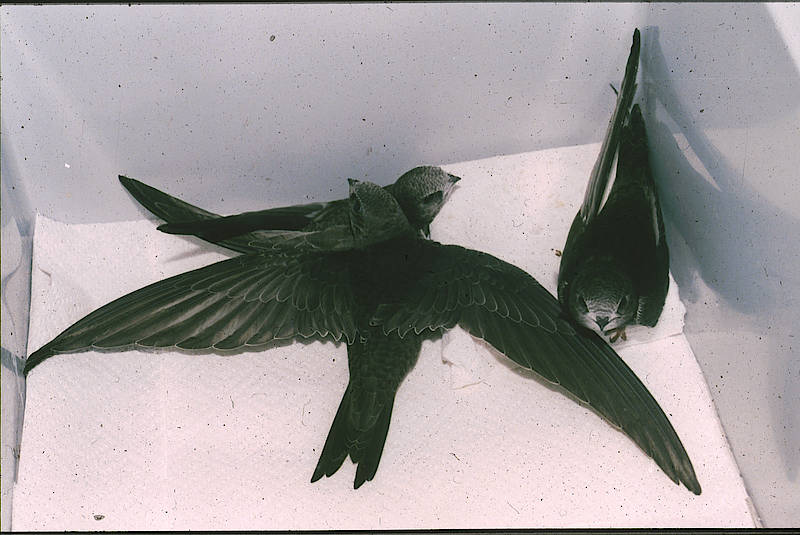
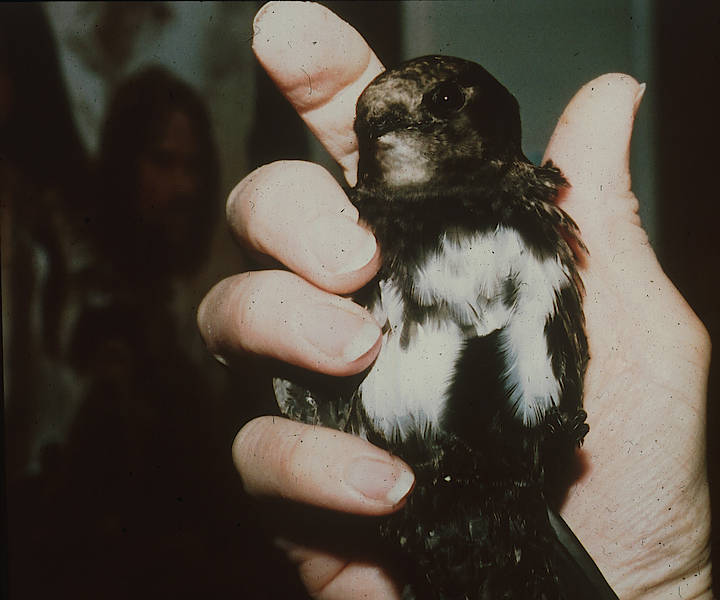
Jungsegler: Gefieder grauschwarz, etwas matter; Federn weiß gesäumt, besonders auffällig an Achselfedern, Flügeldecken und Großgefieder, am breitesten an der Stirn, die dadurch ein weißes Aussehen erhält; Kehle ausgedehnt reinweiß; charakteristisch sind die zwischen Nasenöffnung und Oberschnabel vorspringenden weißen „Bärtchen“.
Merke:
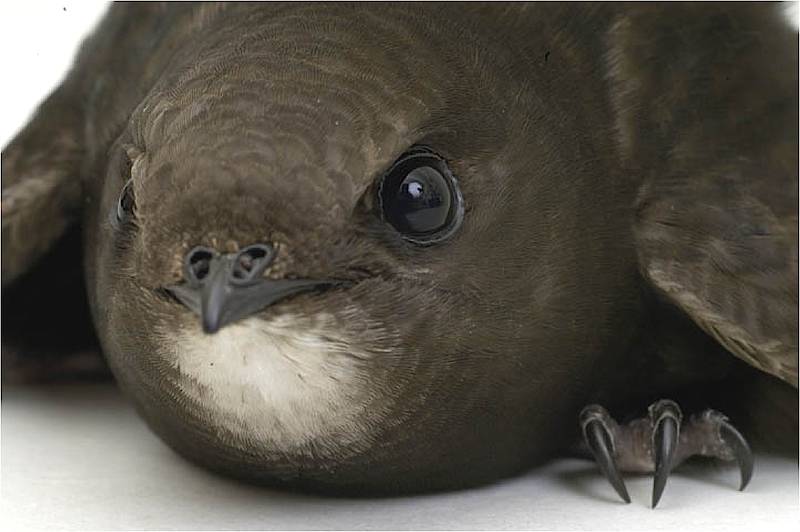
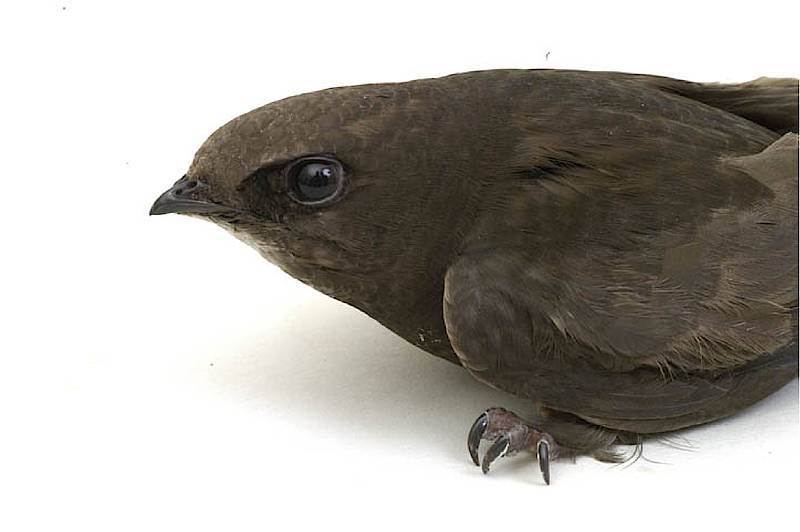
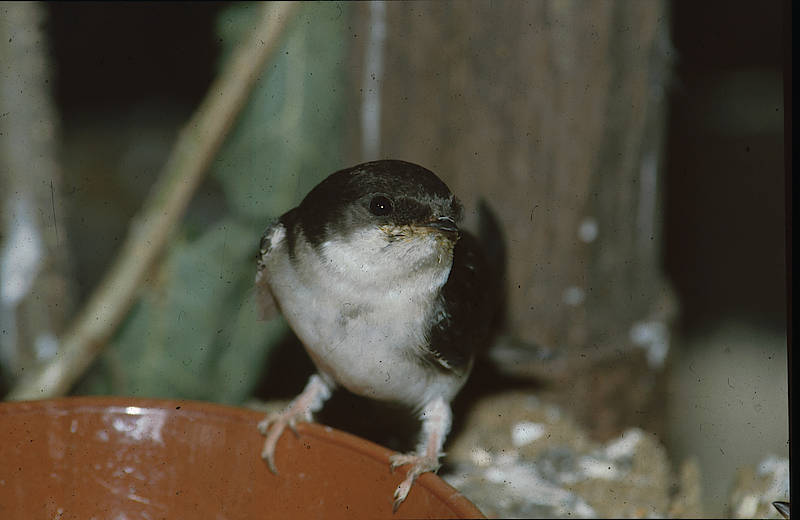
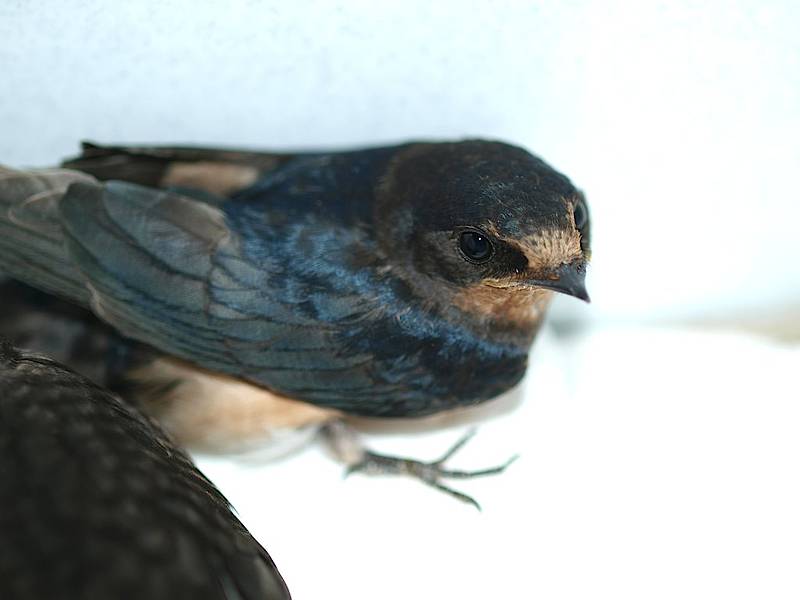
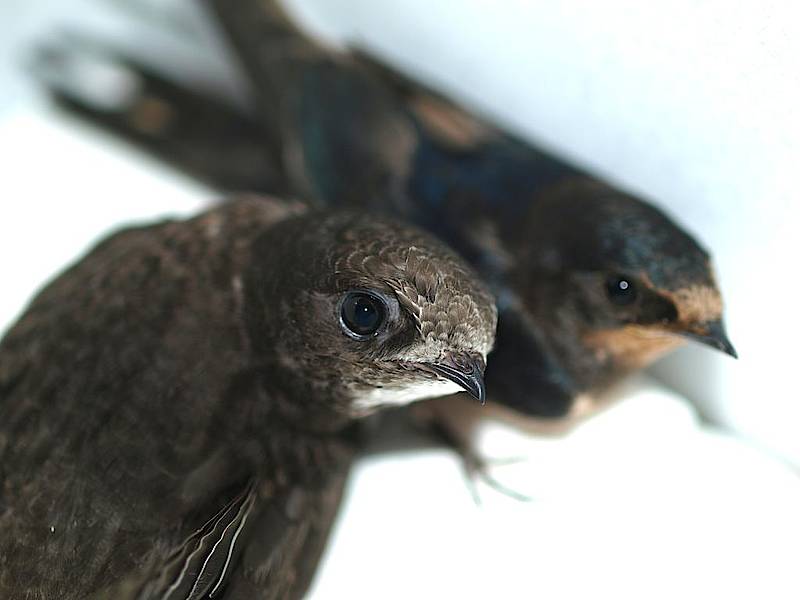
Bauch und Brust eines Mauerseglers sind immer dunkel, bei Rauch- und Mehlschwalbe hingegen weiß. Ebenfalls weißbäuchig/-brüstig ist der Alpensegler – bei einer Flügelspannweite von 60 cm und einem Gewicht von 90-100 g jedoch nicht mit einer Schwalbe zu verwechseln.
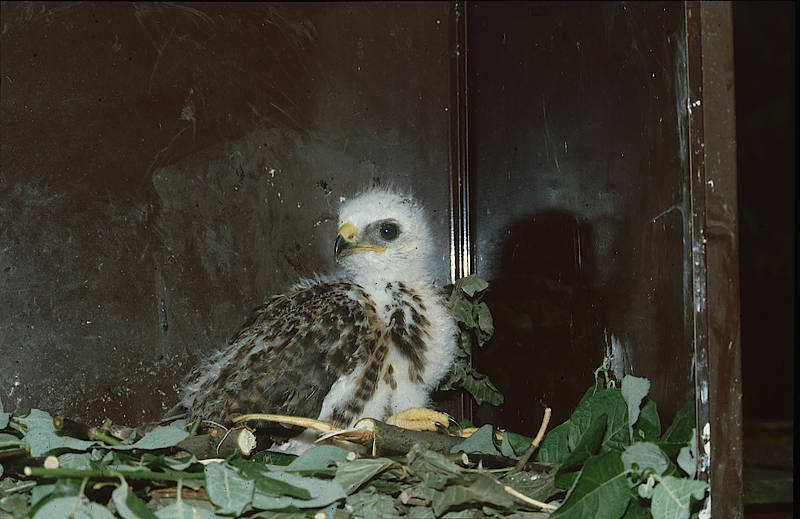
Mauersegler-Findlinge werden aufgrund ihres markanten Augenbogens von ihren Findern gern auch für "kleine Greifvögel" gehalten. Zur Information: Alle jungen Edelfalken haben ein reinweißes Dunengefieder. Junge Bussarde, Habichte und Sperber sind u.a. leicht an ihren gelben Füßen zu erkennen. Generell sind alle bei uns vorkommenden Greifvögel wesentlich größer als ein Mauersegler.
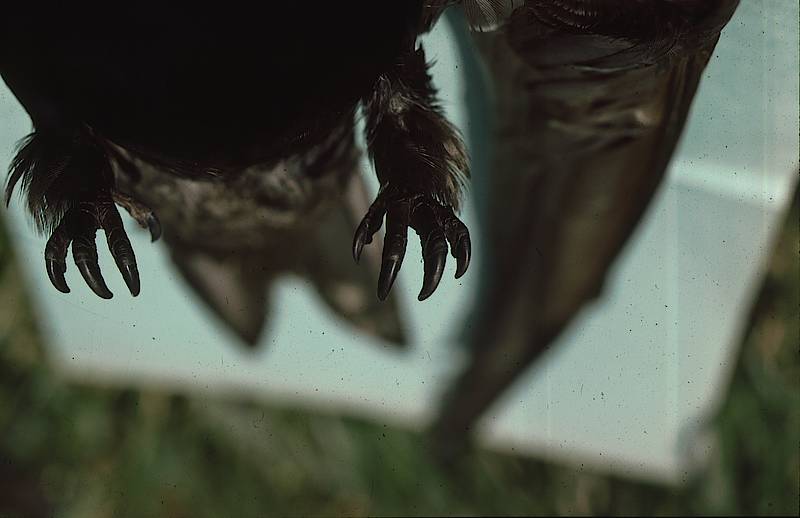
Unverwechselbar sind die kräftigen Zangenfüße des Mauerseglers. Vier hakenartige Zehen sind wie die Finger einer gespreizten Hand angeordnet (beim „normalen“ Vogelfuß weisen entweder drei Zehen nach vorn und eine nach hinten, z. B. bei Singvögeln und Hühnervögeln, oder zwei Zehen nach vorn und zwei nach hinten, z. B. bei Papageien und Spechten). Mauersegler haken sich mit ihren Krallen auffällig, oft sogar schmerzhaft fest und widerlegen damit eindeutig einen althergebrachten Irrtum: dass sie „zurückgebildete“ Füße hätten!
Bei Alpen- und Fahlsegler finden sich genau die gleichen kraftvollen Zangenfüße.