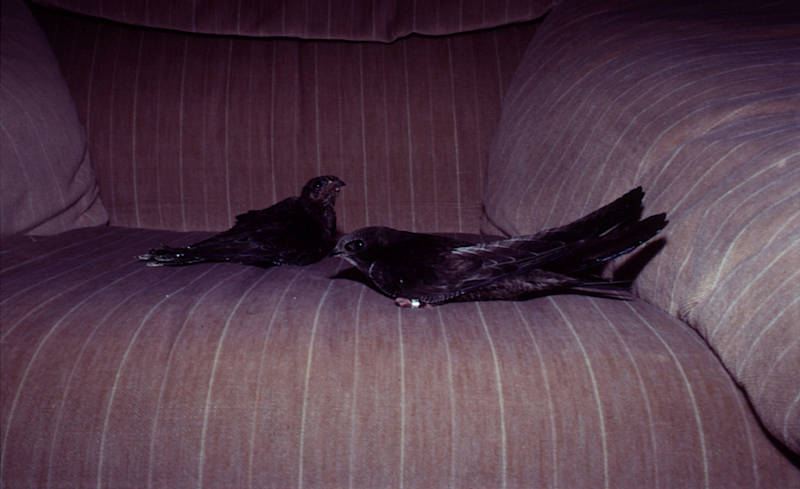
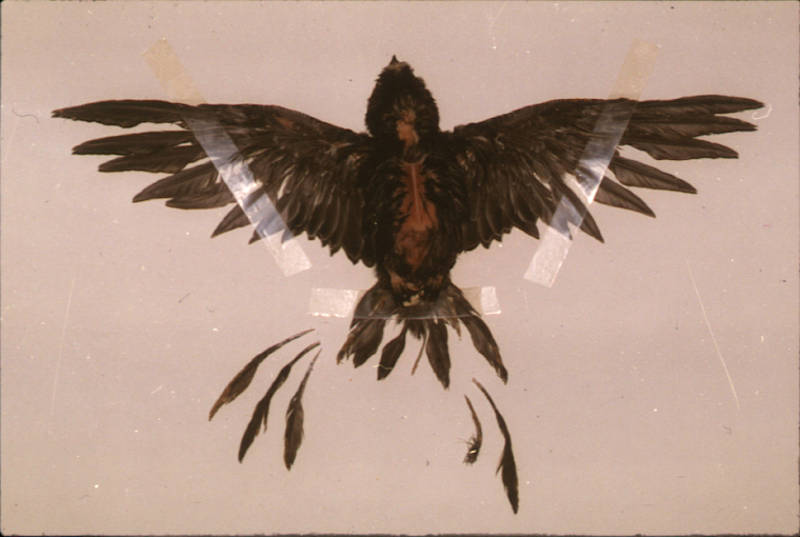
Die Erfahrungen mit Mauerseglerpfleglingen in den letzten Jahren haben zu alarmierenden neuen Erkenntnissen geführt. Insbesondere Ernährungsfehler und ihre fatalen Folgen stehen hier an erster Stelle. Während insektenessende Singvögel ( z.B. Schwalben, Rotschwänze, Rotkehlchen, Grasmücken, Schnäpper, Zaunkönige...) bei falscher Fütterung sehr rasch zugrundegehen, reagiert ein fehlernährter Mauersegler in der Regel mit zeitverzögerten, aber nicht minder folgenschweren Schäden. Bei ihm scheint falsches Futter vorrangig zu Leberschäden und sekundär zu den vielfach beobachteten Gefiederdefekten zu führen. Defekte Schwungfedern jedoch sind für einen Dauerflieger das Todesurteil. Selbst auf nur kurzfristige, wenige Tage andauernde Fehlfütterung reagieren die meisten jungen Mauersegler bereits mit Schwungfederausfall oder Schäden des Federkiels und der Federfahne. Ebenfalls sehr häufig sind Durchfall, schwere Verdauungsstörungen sowie Skelettdeformationen.
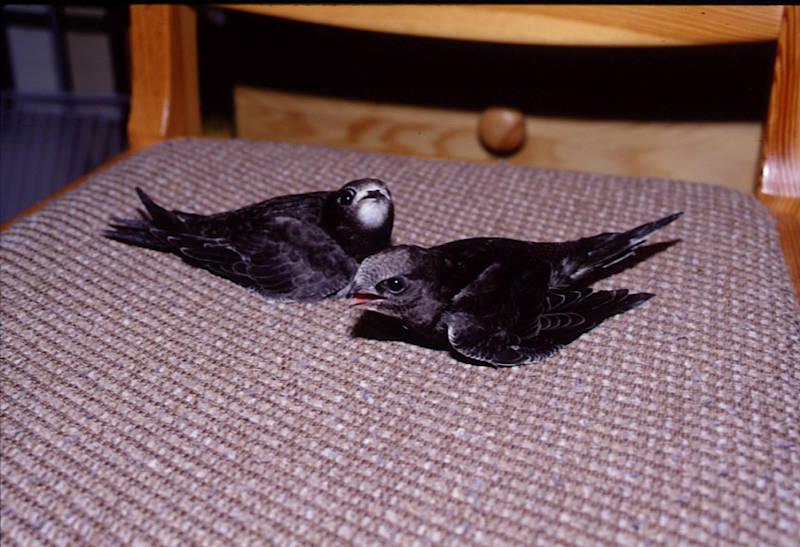
Verhängnisvollerweise sind viele Futtermittel, die sich inzwischen als äußerst schädlich erwiesen haben, seit Jahrzehnten bei der Fütterung junger Wildvogelfindlinge üblich und werden nach wie vor von vielen Fachleuten empfohlen. Dies ist umso schlimmer, als die Finder sich meistens ratsuchend an Personen wenden, die sie für kompetent bezüglich Tieren im allgemeinen und Vögeln im speziellen halten müssen. Es bleibt zu hoffen, dass viele "Irrtümer mit Tradition" baldigst einer artgerechten, an der Natur orientierten Ernährung von Vogelfindlingen weichen. Nur so kann man den unterschiedlichen Nahrungsansprüchen von Vogelpfleglingen verschiedenster Arten, für deren Vielfalt es kein "Universal-Rezept" gibt, annähernd gerecht werden.
Von welchen Futtermitteln sollte man nun also die Finger lassen, und was für Schäden bewirken sie?
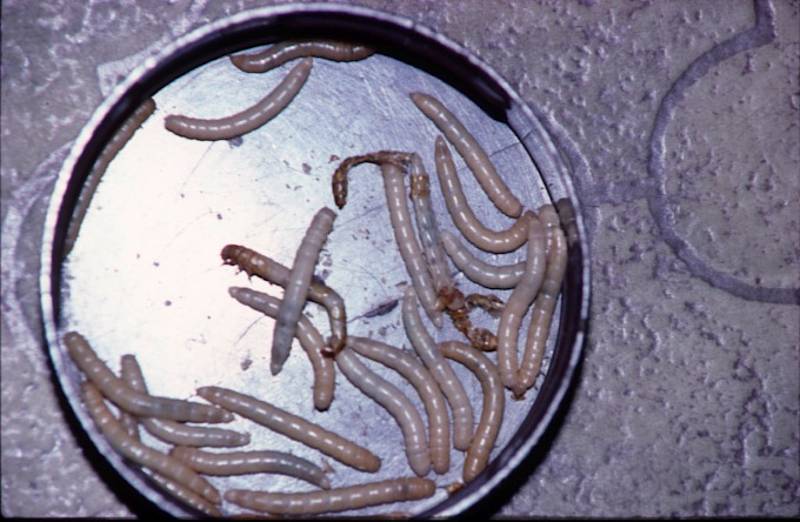
Mehlwürmer
Nach wie vor gern für die Fütterung insektenessender Vögel empfohlen werden "Mehlwürmer", die fälschlich so genannten Larven des Mehlkäfers (Tenebrio molitor), die man in jeder Zoohandlung erhält. Doch muss dringend davor gewarnt werden, diese Würmer in größerer Anzahl und längerfristig (länger als 2-3 Tage) zu verfüttern. In ihrer Chitinhülle scheinen Substanzen enthalten zu sein, die auf Dauer schwere Leber- und Nierenintoxikationen hervorrufen.
Maden
Fliegenmaden, im Angelgeschäft unter der Bezeichnung "Pinkies" erhältlich, sind als Futter für insektenessende Vögel gänzlich ungeeignet. Sie sind aufgrund ihrer stabilen, gummiartigen Umhüllung vom Magen des Vogels kaum aufzuschließen, so dass sie vielfach unverdaut wieder ausgeschieden werden. Selbst wenn man sie vor dem Verfüttern ansticht (was nicht jedermanns Sache ist), sind sie als Futtermittel abzulehnen, da sie einen sehr hohen Fettanteil aufweisen und als Ernährung viel zu einseitig sind.
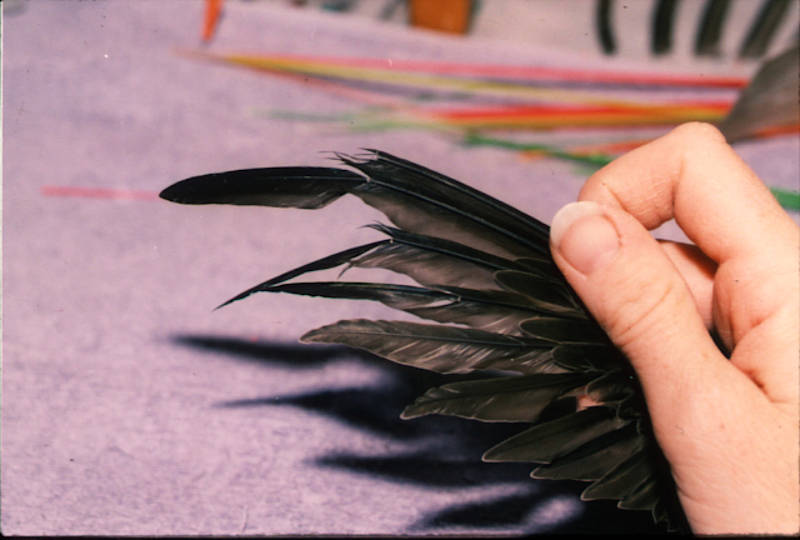
Mauersegler, die mit Maden gefüttert wurden, sind meist hochgradig abgemagert und entwickeln Mangelerscheinungen sowie folgenschwere Defekte des Großgefieders. Hierbei handelt es sich häufig um kleine, kaum sichtbare Knickstellen im Federkiel, an denen die Schwungfeder später bei der geringsten Belastung bricht.
Andere Futtermittel
Die obige Aufzählung erhebt keinen Anspruch auf Vollständigkeit. Nichts, das nicht schon - und immer mit verheerenden Folgen! – guten Glaubens an hungrige Jungsegler verfüttert worden wäre: Ob Wellensittich- oder Kanarienkörnerfutter, Zwieback, Haferflocken oder Brot, ob Obst oder Wiener Würstchen, Spaghetti, Porridge, Salami oder gebratenes Schnitzel - alles ist schon vorgekommen, und kaum einer der betroffenen "Unglücksvögel " hat es überlebt. Die Reihe ungeeigneter Futtermittel ließe sich endlos fortsetzen, und einfacher ist es zu sagen: In den Schnabel eines Mauerseglers gehört nur Insektennahrung!